
Lessons from the UNCTAD eTrade for Women Masterclass in Manila 2025
Reflections on business growth, organisational development, digital transformation and empowering people.
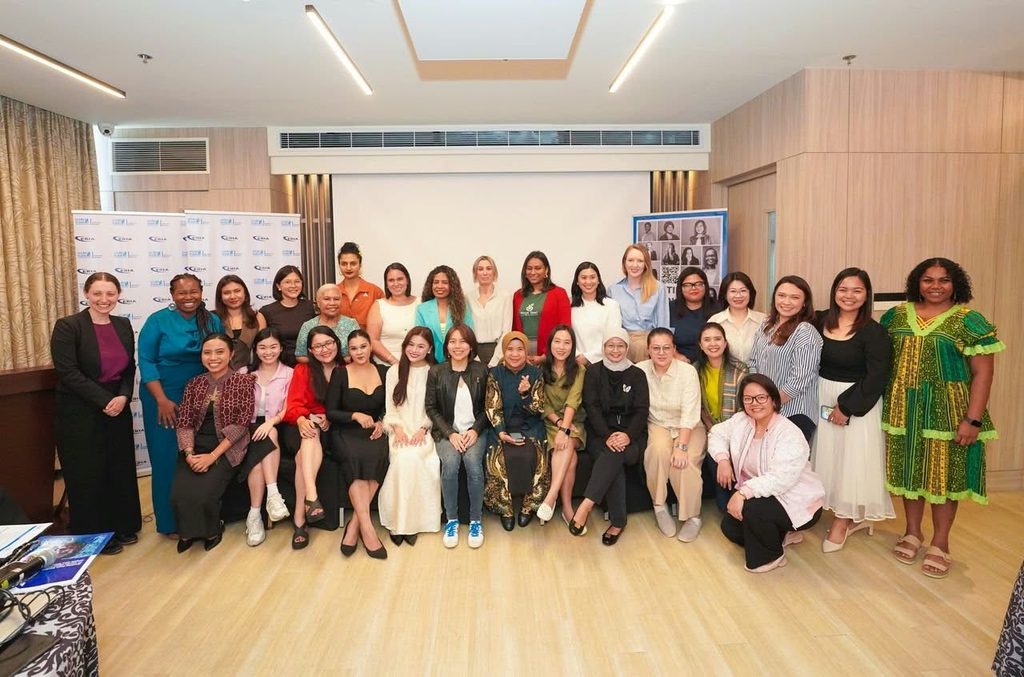
In November 2025, I had the opportunity to participate in the UNCTAD eTrade for Women Masterclass – Powering Growth & Impact for Women-Led Digital Businesses, held from 18–21 November in Manila, Philippines.
The four-day programme brought together women entrepreneurs, business leaders, investors and industry experts from across Southeast Asia and the Pacific. It was an opportunity to learn, exchange experiences and gain practical insights into building and scaling sustainable businesses.
The masterclass covered several important areas of entrepreneurship, including brand development, performance marketing, customer analytics, artificial intelligence, business scaling, cross-border trade, fundraising, intellectual property and accountability-driven leadership.
While every session offered something valuable, one of my biggest takeaways was learning to look at my business differently.
I began to understand that running a business is not simply about managing daily operations, selling products or delivering services. It is about building an organisation with different components, departments, systems and people that must work together towards a common vision.
This reflection looks at six important areas that have influenced how I approach building and growing Tidy Haus Cleaners.
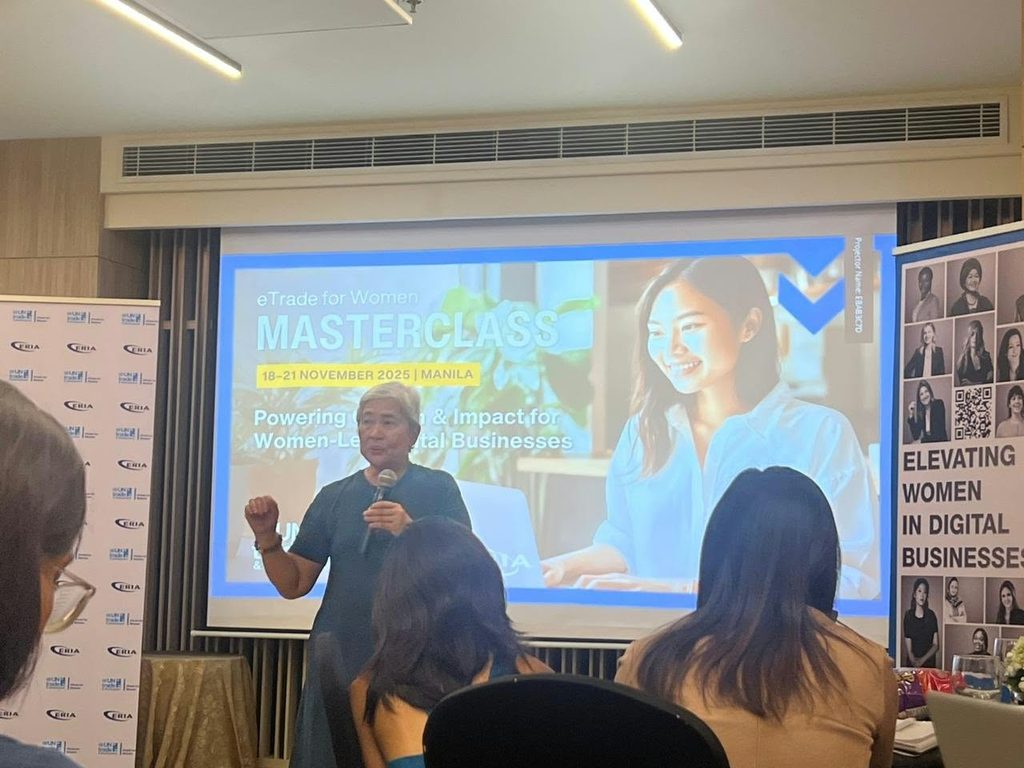
1. Vision: Knowing where you want your business to go
Every business needs a vision, and that vision must align with a practical business plan.
As entrepreneurs, we can become so occupied with the daily demands of running a business that we sometimes forget to step back and look at the bigger picture.
Where do you want your business to be in three, five or ten years? What are you trying to achieve? What resources, people and systems will you need to get there?
A vision gives your business direction. A business plan helps translate that direction into achievable goals, strategies and actions.
Without a clear vision, it is easy to operate without knowing whether the decisions you make today are contributing to your long-term growth.
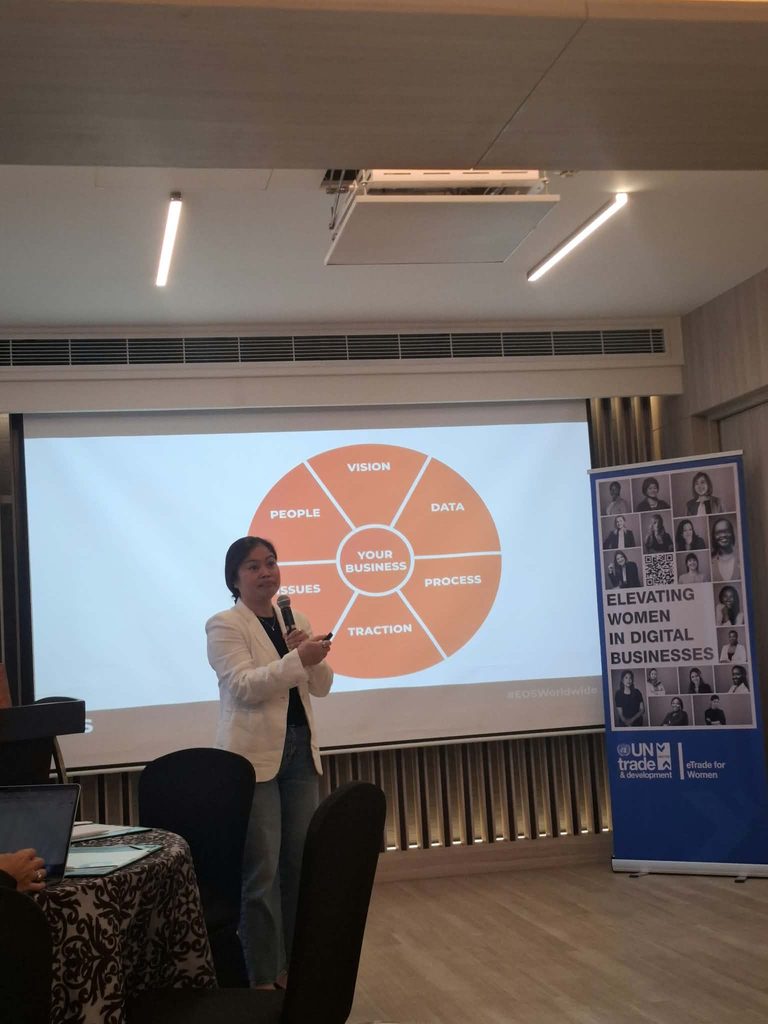
2. Data: Understanding your product, market and customers
One of the important lessons from the masterclass was the value of customer analytics and making data-informed decisions.
Data is not just about sales figures or financial reports. It starts much earlier, with research and understanding your product, your market and your customers.
For example:
- What problem does your product or service solve?
- Who is your target audience?
- What does your customer actually need?
- Who are your competitors?
- What makes your product or service different?
- What are customers willing to pay?
- How do customers find and engage with your business?
Understanding these questions helps entrepreneurs make better decisions about product development, pricing, marketing and customer engagement.
The more you understand your market, the better positioned you are to develop products and services that people actually need.
Data should be part of your decision-making process, not something you collect only when preparing a report.
3. Processes: Building an organisation that works
This was one of the biggest areas that changed how I look at my business.
A business has both external and internal processes.
External processes involve the formal requirements of operating a business. These include business registration, licensing, legal obligations, regulatory compliance, tax requirements and other relevant certifications.
These are important because a business must operate within the appropriate legal and regulatory framework.
Internal processes are about how the organisation operates every day.
As a business grows, it becomes increasingly important to understand and separate the different functions within the organisation.
These may include:
- Operations: Managing service delivery, quality control, equipment and daily activities.
- Finance: Managing budgets, cash flow, expenses, costing, invoicing and profitability.
- Marketing and Sales: Building brand awareness, attracting customers and generating revenue.
- Administration: Managing records, communication, documentation and business coordination.
- Human Resources: Recruitment, training, staff development, performance and workforce management.
These departments do not necessarily require separate employees from the beginning. In smaller businesses, one person may perform several functions.
However, the responsibilities and processes still need to be understood and organised.
This is where digital transformation becomes particularly important.
Introducing digital systems for communication, scheduling, financial management, customer records, staff monitoring, reporting and performance inspections can significantly improve how a business operates.
Digital tools help reduce unnecessary paperwork, improve transparency, minimise administrative burdens and make information more accessible.
The objective is to build systems that allow the business to operate efficiently without the founder having to personally oversee every activity.
4. Traction: Understanding how your business gains momentum
Traction is about demonstrating that your business is gaining momentum and that there is a real market for what you offer.
It does not begin after you launch. It starts before your business officially opens.
Before launching, traction can come from:
- Market research and customer feedback.
- Product testing and early customer interest.
- Building partnerships and networks.
- Establishing a social media presence.
- Creating awareness around your brand.
Once the business is operating, traction can be measured through:
- Customer acquisition and retention.
- Repeat purchases and referrals.
- Sales growth and revenue.
- Partnerships and new business opportunities.
- Brand recognition and market expansion.
As the business grows, it is important to understand whether that growth is sustainable.
Are you attracting the right customers? Are your sales increasing? Are customers returning? Are you generating enough revenue to cover your operating costs and invest in future growth?
Growth should be measured, not simply assumed.
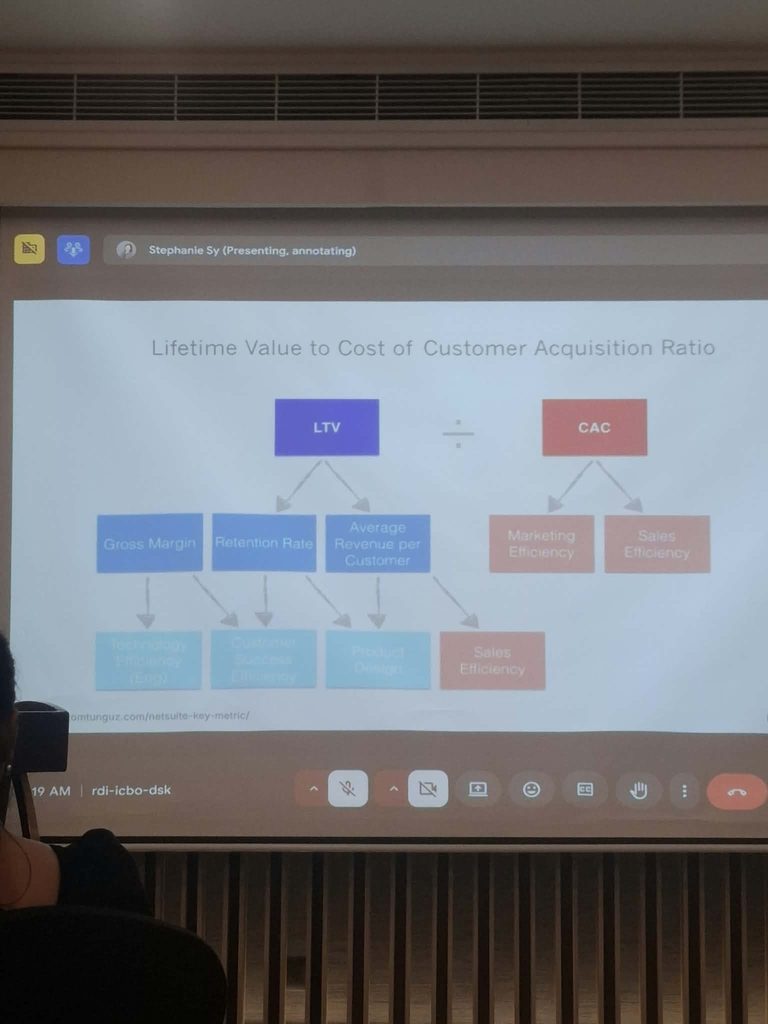
5. Issues: Forecasting challenges and protecting your business
Every business will encounter challenges. Some are unexpected, while others can be anticipated through proper planning.
As entrepreneurs, we need to understand not only the problem our business is solving but also the problems that could affect the sustainability of the business itself.
These may include cash flow shortages, late customer payments, rising operating costs, staff turnover, equipment breakdowns, supply chain disruptions and unexpected expenses.
One of the most important things is understanding your numbers.
You need to know how much it costs to deliver your service or manufacture your product, what your overheads are, how much working capital you need and whether your pricing allows you to maintain healthy profit margins.
A business can generate substantial sales and still struggle financially if its costs are not properly managed.
We also need to recognise that businesses are affected by seasonal changes.
Here in Vanuatu, we experience dry and rainy seasons, fluctuations in tourism, changing customer demand and periods of economic uncertainty.
For businesses operating in these conditions, sustainability requires planning ahead.
Do you have sufficient working capital? Can you maintain your operations during quieter periods? Do you have recurring customers or alternative revenue streams? Have you accounted for unexpected costs?
Building a sustainable business means preparing for both opportunities and difficulties.
It is not just about surviving when business is good. It is about having the financial discipline and operational systems to remain resilient when conditions change.
6. People: Building a team through empowerment and accountability
Of all the lessons from the masterclass, this is probably the one I have reflected on most in relation to my own business.
Who is your team? What skills do you need? What roles are required? Where do you find the right people? How do you develop them?
As a business owner, I have come to understand that building a team is much more than employing people and assigning them tasks.
It is about creating a working environment where people understand their responsibilities, feel valued and take pride in what they do.
Rethinking how we manage our workforce
Taking my experience in the cleaning industry, I do not believe that having a manager or supervisor constantly standing over cleaners, chasing them when they arrive late or reprimanding them when they are not performing is necessarily the best way to build a productive workforce.
In some working environments, people perform because they are afraid of being reprimanded. In others, when there is no supervision, accountability can become a challenge.
Neither approach creates the working culture I want to build.
I believe we need to shift from managing people through constant supervision towards empowering them through ownership and accountability.
This does not mean removing management, supervision or HR responsibilities. Every organisation needs structure, professional oversight and clear expectations.
However, management should be about creating an environment where people are equipped to perform, rather than simply controlling their every move.
Giving people ownership of their work
At Tidy Haus, I want our cleaners to understand that they are not simply turning up to complete someone else’s instructions.
They are responsible for the quality of their own work.
This means providing them with the right tools, training, communication systems, digital checklists, inspection processes and key performance indicators (KPIs).
It also means giving them the confidence to take initiative, identify problems and take responsibility for the outcomes of their work.
As I always remind my team:
Your performance today determines whether you have a job tomorrow.
This is about creating a clear understanding that performance and accountability go hand in hand.
When staff perform well, their efforts should be recognised and rewarded. When performance falls below expectations, there must be clear feedback, an opportunity to improve and accountability for the results.
I want our cleaners to feel that they are trusted and valued members of the organisation, not simply workers who need someone constantly watching over them.
When people take ownership of their responsibilities, they develop a sense of pride in their work. They become more invested in the outcome because they understand that their contribution matters.
For me, this is an important part of building a sustainable working culture, particularly within our own Pacific context.
We need to build workplaces where people are empowered to lead within their responsibilities, take initiative and become accountable for their own performance.
Digital transformation: Connecting all the components
Looking across these six areas, one thing becomes clear: digital transformation is not just about having a website or maintaining a social media page.
It is about improving the way an entire organisation operates.
Digital systems can connect different departments, improve communication, support decision-making, monitor performance and provide access to information that would otherwise be difficult to manage manually.
For small businesses and MSMEs, digital tools can help reduce administrative workloads and allow limited resources to be used more effectively.
It is also important to recognise that digital transformation does not happen overnight. Businesses need to identify their priorities, understand their operational gaps and introduce tools that are practical, affordable and appropriate for their stage of growth.
The objective is not to digitise everything simply for the sake of technology. It is to use technology to solve actual business problems.
Taking the lessons home: The growth of Tidy Haus
Looking back, the Manila Masterclass was much more than an international learning opportunity.
It was one of the first important steps in changing how I approached building and managing my business.
When I first started Tidy Haus Cleaners, I could not have imagined the organisation we would be building today.
Two years into the business, we have grown our workforce beyond what I initially imagined, expanded our cleaning services, strengthened our operations and developed our own eco-friendly cleaning products.
There have been challenges along the way, and there is still a great deal to learn.
But experiences like this have helped me understand that business growth is not simply about increasing the number of customers, employees or services.
It is about developing the organisation behind the business.
It is about building systems that work, understanding your finances, investing in your people, using data to make better decisions and creating an environment where everyone understands their role in achieving the bigger vision.
I am grateful to UNCTAD eTrade for Women and everyone involved in making this experience possible. The opportunity to learn from experienced entrepreneurs and industry leaders, while connecting with women building businesses across the region, was truly valuable.
A final reflection for fellow entrepreneurs
My biggest takeaway, particularly for women entrepreneurs and MSMEs across Vanuatu and the Pacific, is this:
Don’t just work IN your business. Take the time to work ON your business.
You may start as the person doing everything, but as your business grows, you need to start building an organisation that does not depend entirely on you.
Develop your vision. Understand your market. Build your processes. Measure your growth. Protect your margins. Invest in your people.
And most importantly, create a business that can grow beyond its founder.
Because building a business is not just about creating something that generates income today. It is about creating something sustainable that can continue to grow, create employment and contribute to our communities in the years ahead.
With Love
Irene