
A Gateway to Global Trade, Innovation and New Business Opportunities
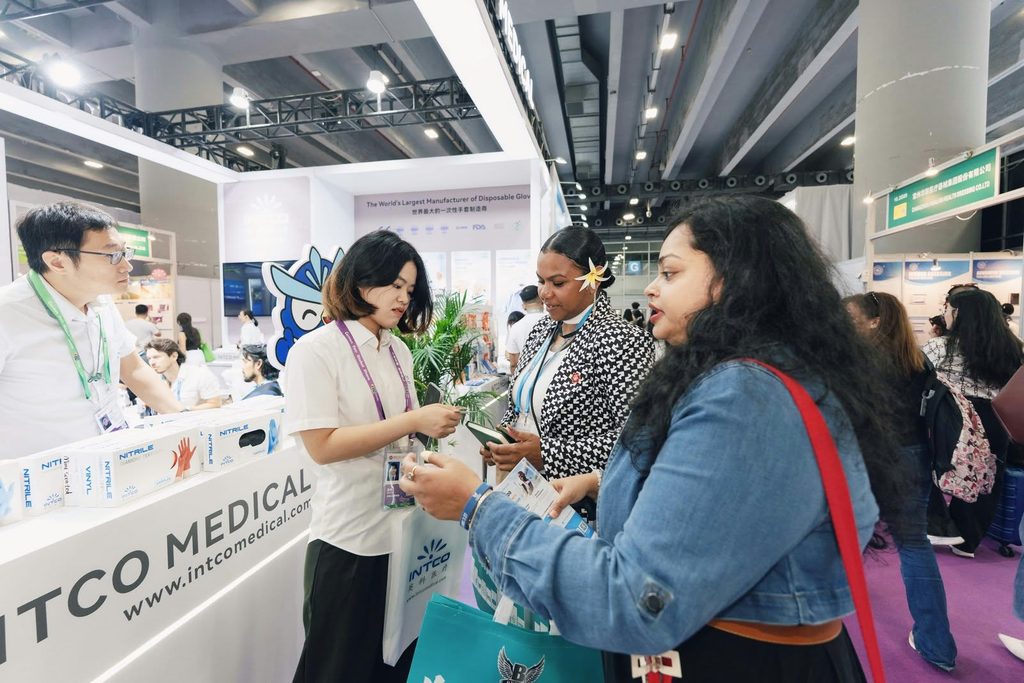
What one of the world’s largest international trade exhibitions can guide Pacific entrepreneurs about sourcing, manufacturing, technology and the future of business.
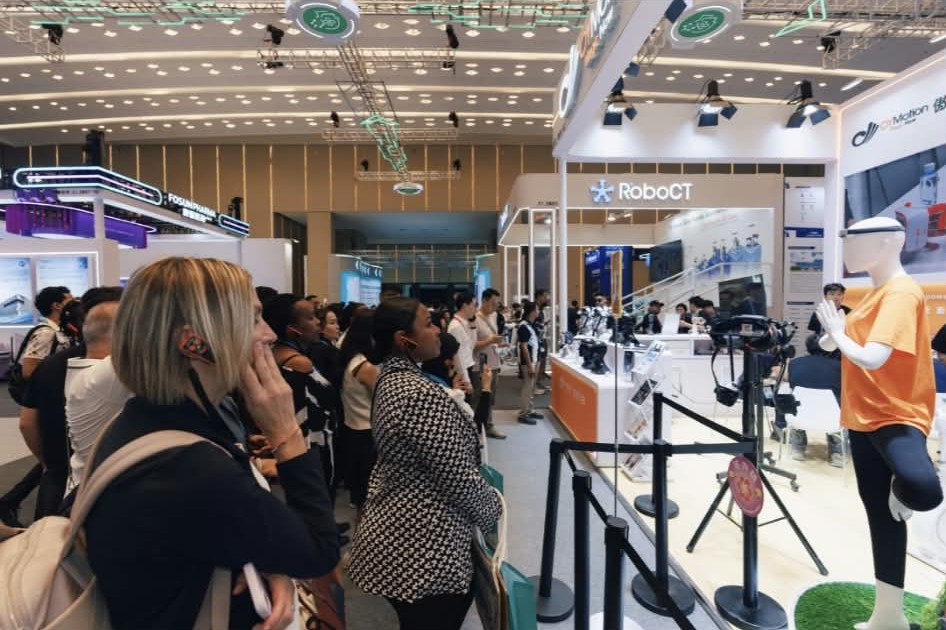
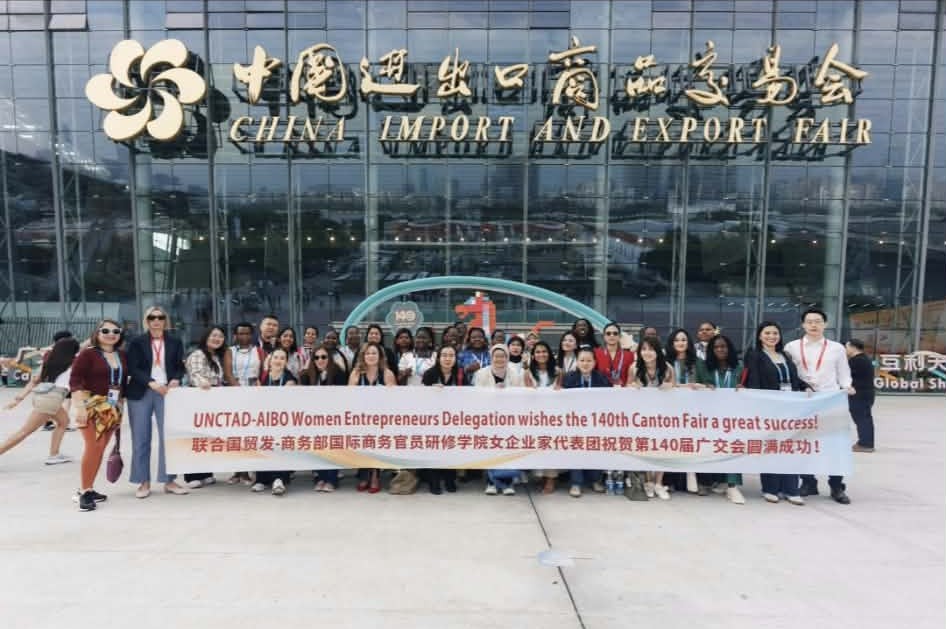
During my recent trip to China, one of the biggest highlights of my journey was having the privilege of attending the China Import and Export Fair, internationally known as the Canton Fair, in Guangzhou.
For someone who is passionate about entrepreneurship, manufacturing, innovation and building stronger local businesses, this was an experience I will not easily forget.
I went into the Canton Fair with an open mind, ready to learn. In many ways, I went in as a sponge, wanting to absorb as much information as possible. But I came out with a much bigger appreciation of just how interconnected the world of international trade has become, and how much opportunity exists for businesses willing to explore beyond their traditional markets.
What fascinated me most was not simply the enormous range of products available. It was seeing how manufacturing, technology, digital platforms, logistics and international commerce come together to create an entire business ecosystem.
For entrepreneurs like us in Vanuatu and across the Pacific, there is a lot not only we can learn but build from this.
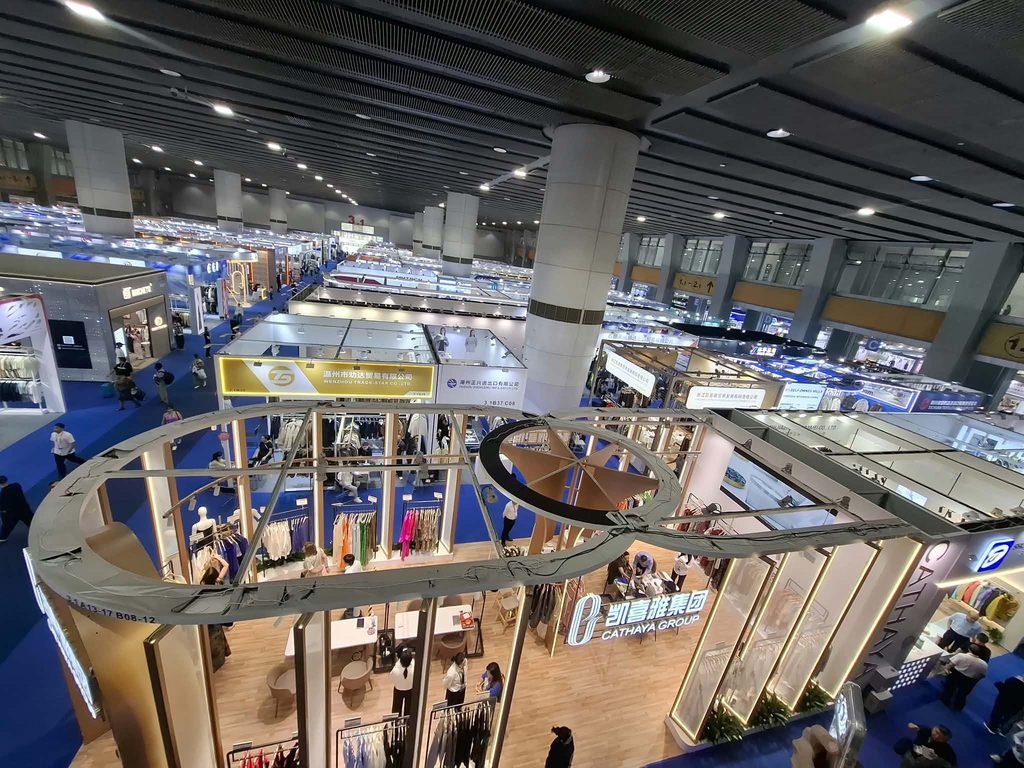
1. What exactly is the Canton Fair?
The Canton Fair, officially known as the China Import and Export Fair, is one of China’s most significant international trade exhibitions.
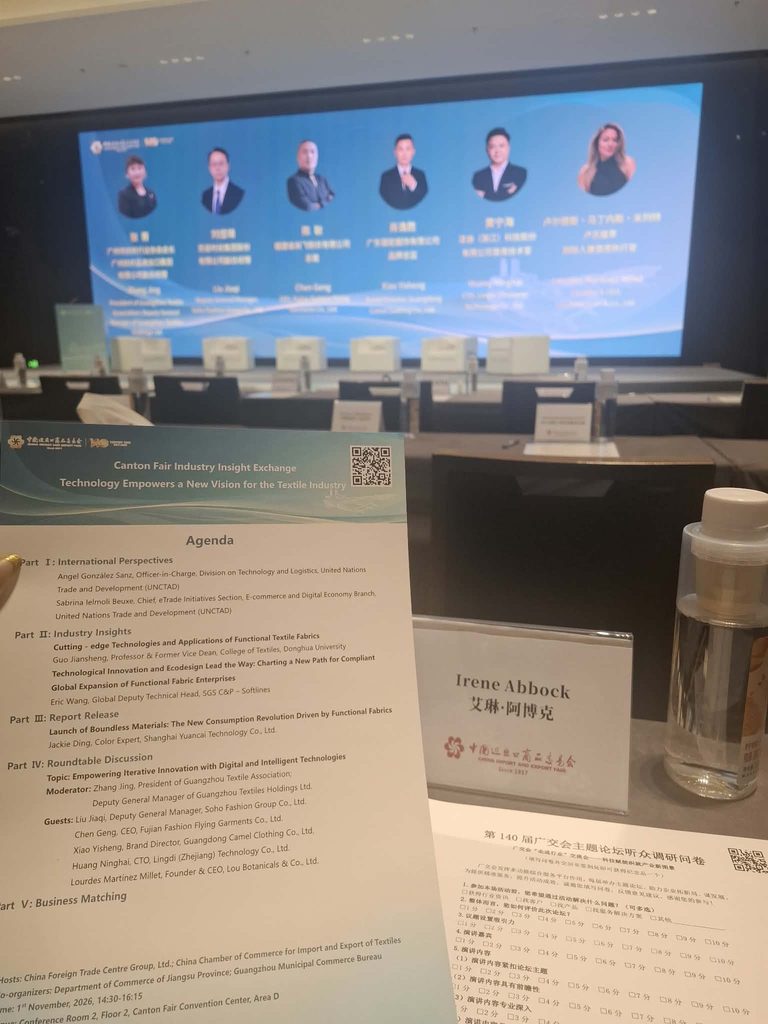
Established in 1957 and held twice every year, usually in spring and autumn, the exhibition takes place in Guangzhou, China. It is organised by the China Foreign Trade Centre and co-hosted by China’s Ministry of Commerce and the People’s Government of Guangdong Province.
Over nearly seven decades, the Canton Fair has grown into a major international trading platform connecting Chinese manufacturers, suppliers, exporters and service providers with buyers and businesses from around the world.
It is widely recognised as China’s No. 1 Fair and is considered an important barometer of the country’s foreign trade.
To appreciate its scale, the 139th Canton Fair, held in spring 2026, attracted 314,000 overseas buyers from 220 countries and regions. The exhibition has also established trade relationships with more than 229 countries and regions throughout its history.
These are not just impressive statistics. They represent millions of opportunities for businesses to connect, exchange ideas, negotiate partnerships and access international markets.
It is basically a meeting point for global trade.
2. What can you actually find at the Canton Fair?
One of the most impressive things about attending the Canton Fair is the sheer diversity of industries represented.
You can walk through one exhibition area and discover manufacturers of industrial machinery, then move into another area showcasing household appliances, clothing, cosmetics, food products, furniture and much more.
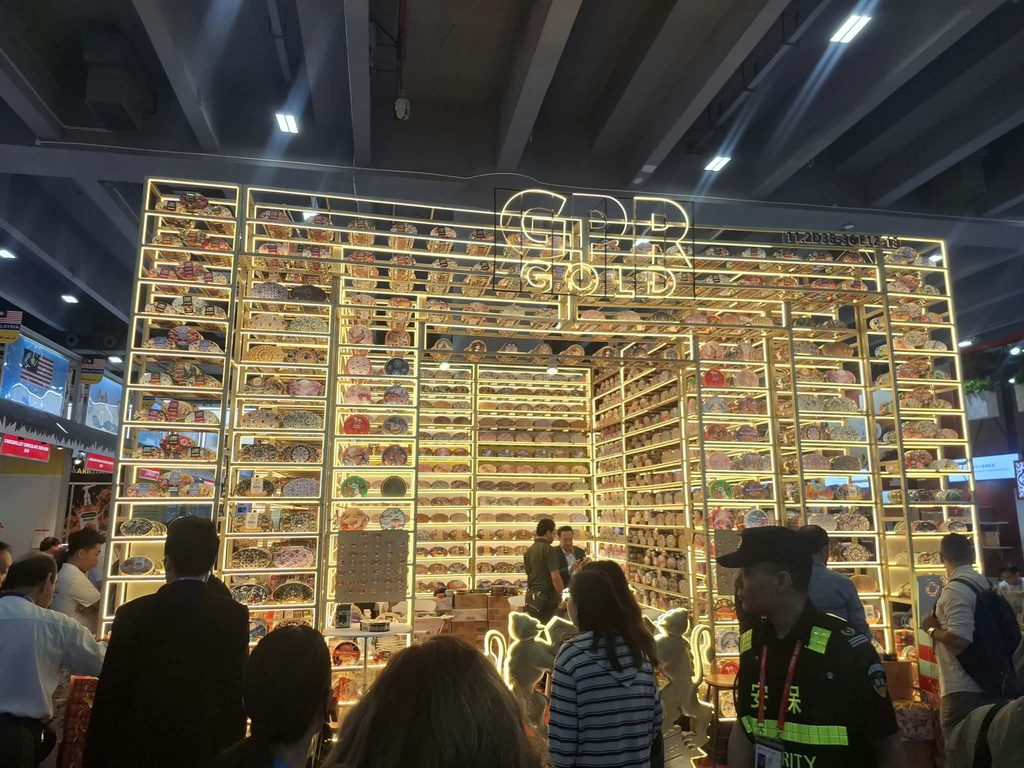
The exhibition is organised into three main phases, each focusing on different industries.
Phase 1 – Advanced Manufacturing
This phase focuses on industrial development, machinery, technology and production.
Some of the products and industries include:
- Industrial machinery and manufacturing equipment.
- Electrical appliances and household electronics.
- Solar energy and renewable energy technologies.
- Batteries and power equipment.
- Agricultural machinery and tools.
- Construction equipment and building materials.
- Hardware, lighting and electrical products.
- Automotive parts and smart mobility.
- Industrial automation and robotics.
Phase 2 – Quality Home Life
This phase focuses on products used in homes, businesses and everyday living.
You will find:
- Furniture and homewares.
- Kitchenware and household appliances.
- Building materials and sanitary products.
- Home decorations and furnishings.
- Gardening equipment and outdoor products.
- Ceramics, glassware and tableware.
- Gifts, accessories and lifestyle products.
Phase 3 – Better Living and Lifestyle
This phase focuses on consumer products, personal care, health and lifestyle industries.
Some of the categories include:
- Clothing, textiles and fashion.
- Shoes, bags and accessories.
- Cosmetics and personal care products.
- Food and beverages.
- Healthcare products and medical equipment.
- Children’s products and toys.
- Sports and recreational products.
- Travel and lifestyle products.
For an entrepreneur, this means the possibilities are enormous.
Whether you operate a cleaning company, retail business, hotel, restaurant, construction company, manufacturing operation or distribution business, there is an opportunity to explore products, equipment, suppliers and new ideas.
You are not simply looking at finished products. You are meeting the manufacturers behind them.
3. Why is attending the Canton Fair important for entrepreneurs?
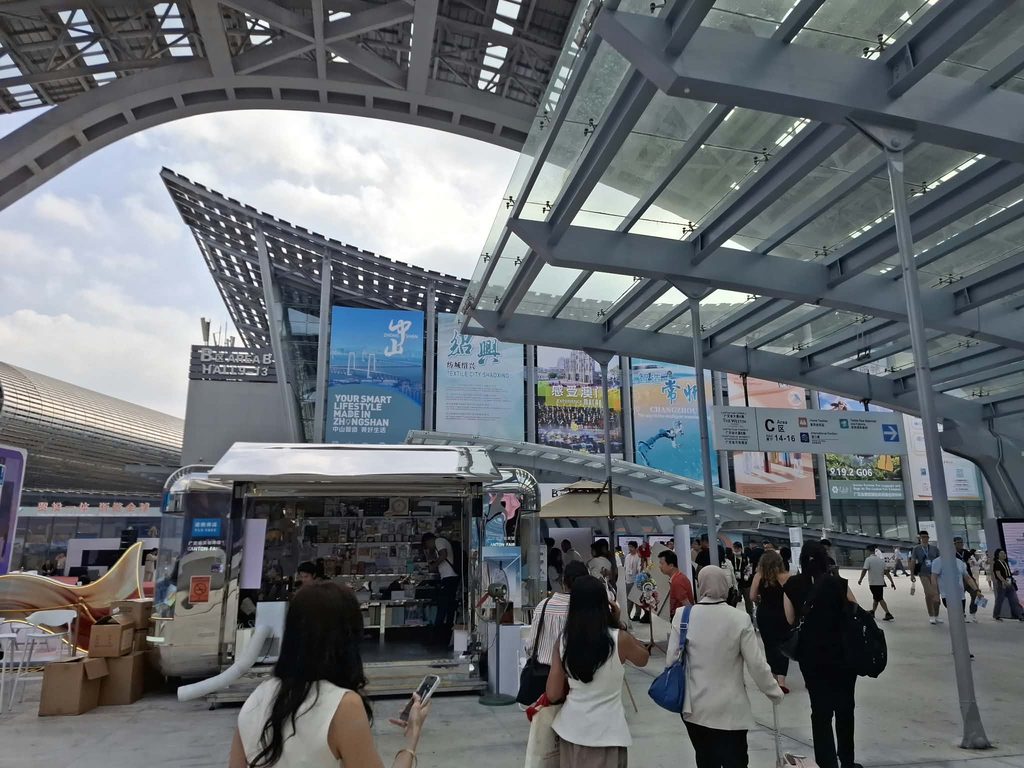
For me, one of the biggest lessons was understanding that business growth is not only about selling more. It is also about understanding where your products come from, how they are manufactured, how much they cost to produce, how they reach your market and how you can improve your overall supply chain.
As entrepreneurs, we often become comfortable with the suppliers we already know. We purchase from the same wholesalers, use the same distributors and operate within the same supply arrangements.
But international trade exhibitions open our eyes to what else is available.
Attending the Canton Fair gives businesses an opportunity to:
A. Connect directly with manufacturers
Instead of purchasing everything through several layers of distributors and middlemen, businesses can explore direct relationships with manufacturers.
This can help you:
- Compare manufacturing prices.
- Explore wholesale and bulk purchasing.
- Negotiate minimum order quantities.
- Discuss customised products and private labelling.
- Identify potential long-term suppliers.
- Explore exclusive distribution arrangements.
For smaller businesses, this can be particularly valuable when you are trying to understand whether importing directly could improve your purchasing costs and competitiveness.
B. Improve your business supply chain
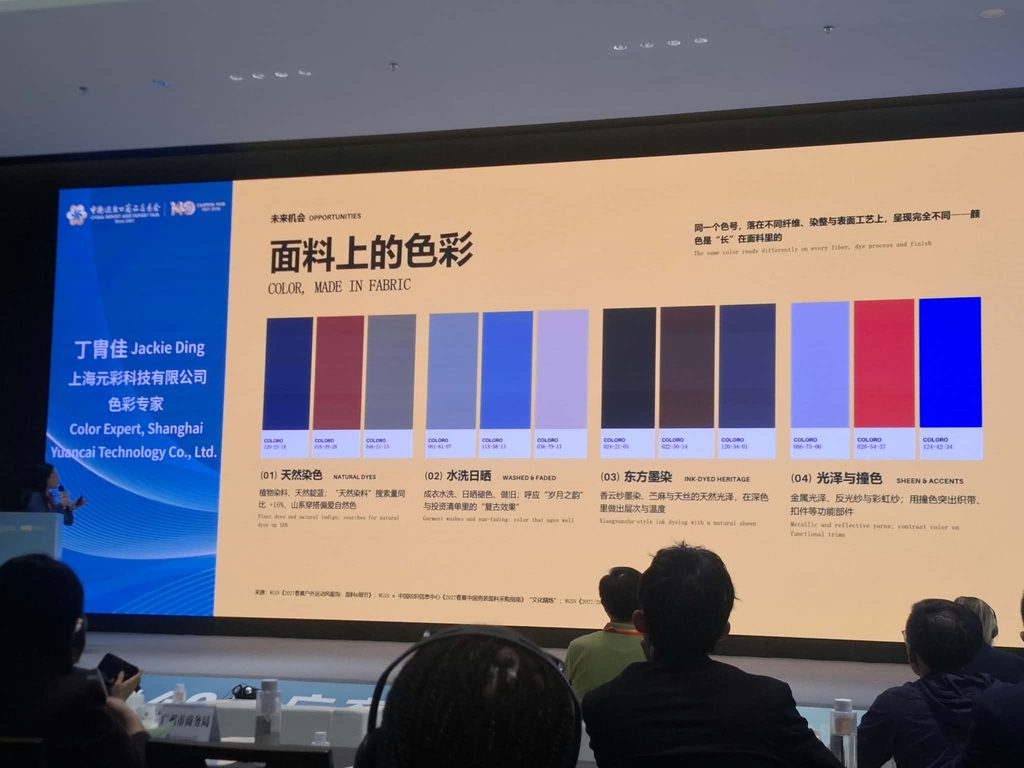
Supply chain management is something every business should understand.
It involves the entire process of sourcing raw materials or products, manufacturing, purchasing, shipping, storage, distribution and ultimately delivering goods to customers.
For businesses in small island economies like Vanuatu, the cost of importing goods can significantly affect profitability.
By connecting directly with manufacturers, businesses can investigate alternative suppliers, compare products, improve purchasing arrangements and potentially reduce unnecessary costs.
The goal is not simply to buy cheaper products. It is to build a more reliable, efficient and sustainable supply chain.
C. Discover new business opportunities
Sometimes the biggest business opportunities come from products and ideas you never knew existed.
Walking through the Canton Fair exposes you to products, technologies and business models from different industries.
You might attend looking for cleaning equipment and leave having discovered:
- A new product you could distribute locally.
- An opportunity to become a regional reseller.
- Equipment that could improve your business operations.
- A new manufacturing idea.
- Products that could complement your existing services.
- An opportunity to introduce something entirely new to your local market.
This is why I believe international trade exhibitions are valuable even when you are not necessarily ready to purchase anything.
Sometimes the most important thing you bring home is an idea.
4. The digital transformation of trade: It is no longer just about products
This was probably one of my biggest takeaways from China.
I was already aware of China’s manufacturing capacity, but what really fascinated me was the extent to which digital technology has become integrated into its business environment.
Today, business is no longer simply about manufacturing a product and finding someone to purchase it.
It is about how technology can improve almost every stage of the business process.
From digital payment systems, online marketplaces and intelligent logistics to inventory management, automated production, customer management software and mobile applications, technology is changing how businesses operate.
At the Canton Fair, I became particularly interested in exploring the wider opportunities around e-commerce, digital trade, software applications and business technology.
Consider what this means for a small business:
- You can source products directly from international manufacturers through online B2B platforms.
- You can use digital systems to manage stock, orders and suppliers.
- You can sell products through online stores and social media.
- You can use digital payment systems to make transactions more efficient.
- You can automate certain administrative and operational processes.
- You can reach customers beyond your immediate geographical location.
The traditional barriers between buying, selling, manufacturing and distributing are becoming increasingly connected.
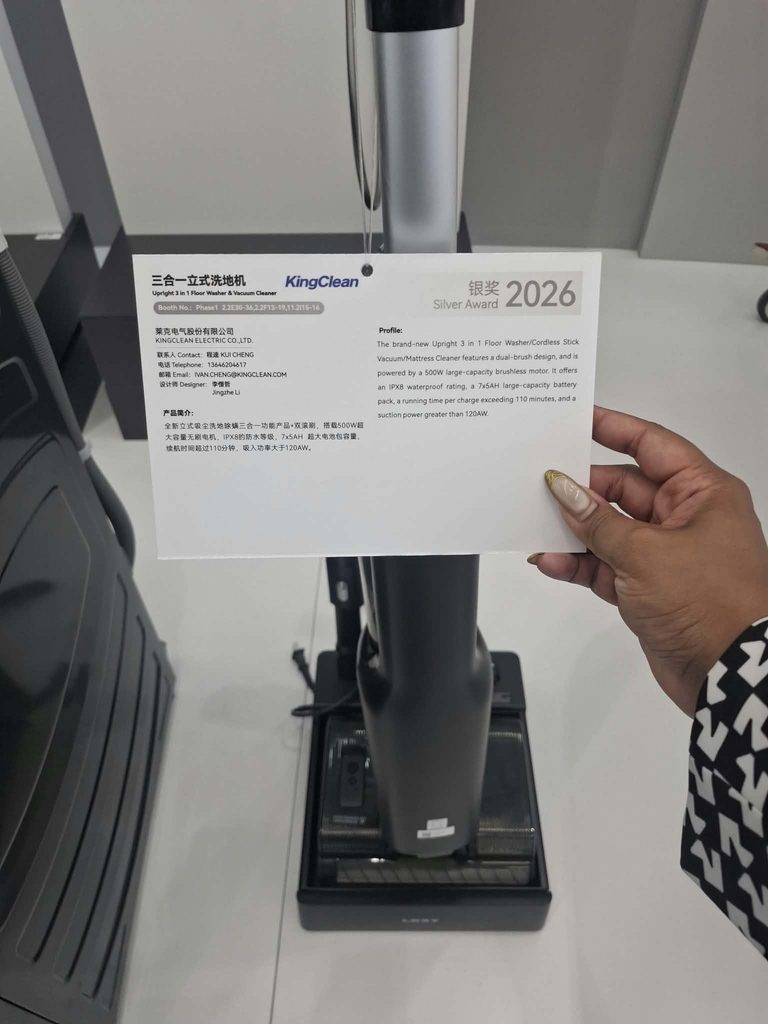
For businesses in the Pacific, this is an important area to start understanding.
We do not necessarily need to build complicated technology ourselves. We need to understand what tools are available, how they work and how we can use them to improve our businesses.
5. What does the Canton Fair mean for Vanuatu and Pacific Island entrepreneurs?
This is where I believe the experience becomes particularly relevant to our region.
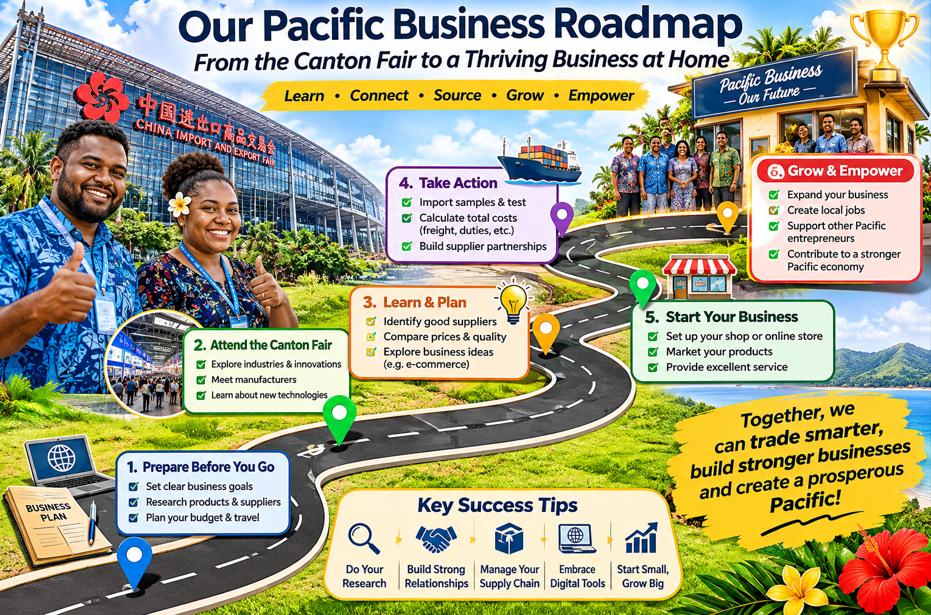
We operate in small island economies, where businesses face different challenges compared to larger international markets.
Our geographical location, shipping costs, smaller populations, limited purchasing volumes and dependence on imported manufactured goods can make it difficult for local businesses to compete.
However, these challenges should not prevent us from exploring international trade.
In fact, they make it even more important that we become smarter about how we source, purchase, distribute and sell.
I see several opportunities for Vanuatu and the wider Pacific.
A. Building stronger direct trade relationships
Pacific businesses should be exploring more direct relationships with international manufacturers and suppliers.
Whether it is construction materials, hotel equipment, cleaning machinery, electrical products, agricultural equipment, food-processing machinery or retail products, there are opportunities to identify suppliers that can meet our specific needs.
Rather than relying entirely on local intermediaries or purchasing through multiple distribution channels, businesses can investigate direct sourcing arrangements.
Of course, this requires proper research into shipping, import duties, product standards, warranties, after-sales support and total landed costs.
But the opportunity is there.
B. Exploring group purchasing and shared importing
One challenge for small island businesses is that our individual purchasing volumes are often too small to secure competitive wholesale prices.
Imagine several businesses working together to purchase similar products from one manufacturer.
For example, hotels, restaurants, retailers and cleaning businesses could potentially coordinate orders for certain equipment, supplies or household products.
By combining purchasing volumes, businesses may be able to negotiate better prices and share shipping and freight costs.
This is an area worth exploring through business associations, chambers of commerce and private-sector networks.
C. Strengthening regional supply chains
We should also be looking beyond individual islands and thinking about the Pacific as a connected market.
Better regional trade arrangements, more reliable inter-island shipping routes, improved freight consolidation and stronger distribution networks could help businesses move products between islands and countries more efficiently.
For example, a business importing goods into Vanuatu may be able to explore opportunities to distribute certain products into neighbouring Pacific markets.
Likewise, businesses in other Pacific countries may be able to source products or services from Vanuatu.
This requires better coordination, reliable transport connections and stronger commercial partnerships.
We should not only think about importing into our own countries. We should also think about how we can trade with one another.
D. Creating opportunities through e-commerce
E-commerce has the potential to open new markets for Pacific businesses.
We often think of our market as the population within our own country. But digital platforms allow us to showcase products and services to customers beyond our immediate location.
For example:
- Local manufacturers can promote their products online.
- Tourism operators can reach international customers directly.
- Local retailers can expand their customer base through online sales.
- Artisans and producers can market locally made products to overseas buyers.
- Small businesses can use social media and digital storefronts to reach customers in other Pacific countries.
We need to continue investing in digital literacy, internet access, digital payments, online business skills and practical e-commerce training.
Digital trade is not only for large companies. Small businesses can benefit from it too.
E. Learning about manufacturing and value addition
Another opportunity is understanding how we can use imported machinery, equipment and technology to develop more local production.
For Vanuatu, this could mean exploring small-scale machinery for:
- Coconut oil and copra processing.
- Cocoa and chocolate production.
- Kava processing and packaging.
- Fruit and vegetable processing.
- Food preservation and packaging.
- Soap and natural cleaning product manufacturing.
- Recycling and waste processing.
- Renewable energy solutions.
Instead of exporting raw materials and purchasing finished products from overseas, we should be asking how we can process more of our own resources locally.
This is where international sourcing and local manufacturing can work together.
We can purchase the machinery and technical knowledge we need while creating local employment, developing skills and adding value to our own resources.
6. What does this mean for an existing business like mine?
As someone operating a cleaning and manufacturing business in Vanuatu, I found myself looking at the Canton Fair through two different business perspectives.
Firstly, as the Founder of Tidy Haus Cleaners, I was interested in equipment, machinery, cleaning technology, tools, consumables, packaging and products that could improve our daily operations.
For a service-based business, having access to better equipment and more reliable suppliers can improve productivity, service delivery, efficiency and the quality of work.
Secondly, as someone developing locally manufactured eco-friendly cleaning products, I was looking at opportunities beyond the cleaning industry itself.
I wanted to understand what manufacturing equipment, packaging solutions, processing technology and business systems could help us improve our production capacity and product development.
There is a big difference between operating a small business and thinking about how that business can eventually grow into a manufacturing operation.
You begin asking different questions:
- How can we increase production capacity?
- How can we improve the consistency and quality of our products?
- What machinery can reduce manual work?
- How can we improve packaging and presentation?
- Can we manufacture at a more competitive cost?
- What technology can improve inventory and distribution?
- Can we develop products that are suitable for regional and international markets?
These are the kinds of questions that attending international exhibitions encourages you to ask.
It shifts your thinking from simply managing today’s operations to planning for the next stage of business growth.
7. Important things Pacific entrepreneurs should consider before importing
While the Canton Fair creates exciting opportunities, attending an exhibition does not automatically mean every product or supplier is suitable for your business.
International sourcing requires preparation and due diligence.
For entrepreneurs considering attending or purchasing from international manufacturers, here are some important things to remember.
1. Research your market first.
Understand what your customers need, what products are already available locally and whether there is sufficient demand for what you intend to import.
2. Compare multiple manufacturers.
Do not commit to the first supplier you meet. Compare pricing, product specifications, manufacturing capacity, experience and communication.
3. Understand minimum order quantities.
Some manufacturers require large orders. Make sure the quantities are realistic for your business and cash flow.
4. Request samples and product specifications.
Whenever possible, inspect samples before placing a large order. Check quality, durability, packaging and suitability for your local market.
5. Verify certifications and compliance.
This is particularly important for food, cosmetics, chemicals, electrical equipment and healthcare products. Ensure products meet the standards and regulatory requirements of your destination country.
6. Calculate your total landed cost.
The manufacturer’s quoted price is not your final business cost.
You must consider freight, insurance, customs duties, taxes, handling, storage, local transport and other associated costs.
7. Check shipping and logistics arrangements.
Understand shipping schedules, container requirements, delivery timelines and whether the supplier can support smaller orders or consolidated shipments.
8. Verify the supplier before paying.
Check business credentials, manufacturing facilities, references and payment arrangements. Use secure and documented payment methods and avoid rushing into transactions.
Most importantly, remember that a successful import business is not built on finding the cheapest product. It is built on finding the right product, the right supplier and the right business arrangement.
8. We do not need to copy China, but we can learn from its approach to development
One of the biggest lessons I continue to take away from my China experience is that economic development requires a long-term vision.
China’s manufacturing and trade ecosystem did not develop overnight. It has been built through decades of investment in infrastructure, industrial capacity, education, technology, innovation, workforce development and international trade.
The Canton Fair is one example of how a country can create an international platform that connects its manufacturers with the rest of the world.
For Pacific Island countries, our development pathway will naturally look different.
We have smaller populations, different geographical challenges, different economic structures and our own cultural and customary land systems.
We do not need to replicate China’s model.
But we can learn from the importance of investing in our people, strengthening our agriculture and productive sectors, improving trade connections, supporting local manufacturing and embracing technology.
We should also be encouraging more of our entrepreneurs to participate in international exhibitions, trade missions, business delegations and industry learning opportunities.
Exposure matters.
When business owners see what is happening internationally, they begin to recognise opportunities that may not have been visible to them before.
And when we bring that knowledge home, we have an opportunity to turn what we have learned into something practical for our own economies.
9. My biggest takeaway: Go beyond buying and selling. Think about building.
I left the Canton Fair with a notebook full of ideas, new perspectives and a much greater appreciation of the opportunities available through international trade.
What stood out to me was how interconnected everything has become.
Manufacturing is connected to technology. Technology is connected to logistics. Logistics is connected to international trade. And international trade creates opportunities for businesses to grow beyond their traditional markets.
For us as Pacific entrepreneurs, the question should not simply be, “What can we buy from overseas?”
We should also be asking:
- What can we manufacture locally?
- What technology can improve our productivity?
- What products can we develop using our own natural resources?
- How can we become more competitive?
- How can we access new markets?
- How can we create better trade relationships within the Pacific?
- How can we use e-commerce to grow beyond our geographical boundaries?
These are important conversations for our business community.
I believe we need to encourage a new generation of Pacific entrepreneurs who are internationally connected, digitally capable, commercially aware and confident enough to explore opportunities beyond their own borders.
We may be small island nations, but that does not mean we need to think small.
Our geographical size should not limit the size of our ideas, our ambitions or the opportunities we pursue.
For me, attending the Canton Fair was not simply another activity on a China study tour. It was an opportunity to see how global trade operates, how businesses are evolving and how much there is still to learn.
I went in as a sponge, and I came away reminded that entrepreneurship is a continuous learning journey.
The real value of these experiences is not just in what we see overseas. It is in what we bring home, what we apply to our businesses and how we use that knowledge to create opportunities for others.
Because ultimately, building stronger Pacific economies starts with building stronger Pacific businesses.
With Love,
Irene